

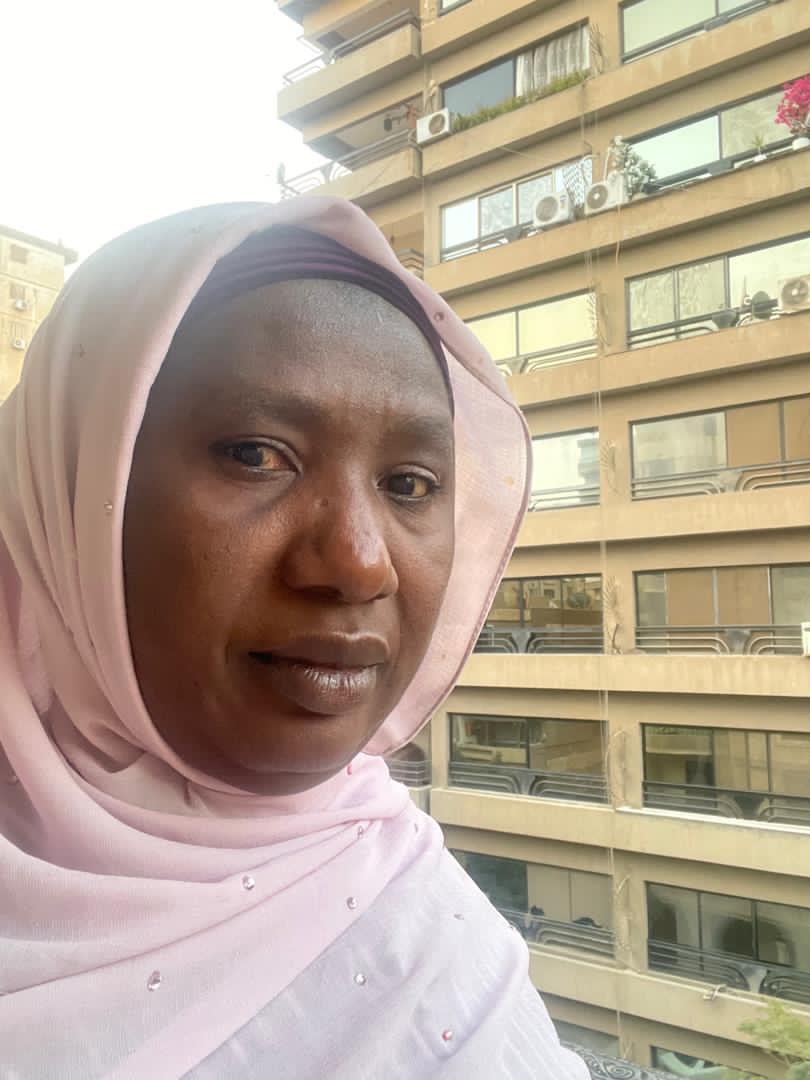
By Bilkisu Ibrahim Suleiman
Every year on International Women’s Day, the world pauses to celebrate the achievements of women while reflecting on the persistent barriers that continue to limit their full participation in society. The day is both celebratory and sobering: celebratory because women have made remarkable progress in education, governance, and economic participation; sobering because the journey toward genuine equality remains far from complete.
For women in Nigeria—particularly in the northern region—the promise of empowerment is still constrained by a complex mix of cultural expectations, economic inequality, insecurity, and structural barriers. While progress has been recorded in many areas, millions of women still struggle to access basic opportunities that many others around the world take for granted.
Education remains one of the most significant challenges. Northern Nigeria continues to have some of the highest rates of out-of-school girls in the world. When girls are denied education, the consequences extend far beyond the individual. Families lose future professionals, communities lose leaders, and the nation loses the enormous potential that educated women bring to economic and social development.
Early marriage, which remains prevalent in some communities, also contributes to the cycle of limited opportunity. Girls who marry too early are often forced to abandon their education, making them economically dependent and limiting their ability to contribute meaningfully to national development. Addressing this issue requires not only legal reforms but sustained community engagement and awareness.
Economic exclusion presents another barrier. Women in the North are active participants in informal markets, agriculture, and small-scale trade, yet they rarely have access to financial services, credit facilities, or formal employment opportunities. Without deliberate policies that expand women’s access to finance, entrepreneurship, and digital literacy, their economic potential will remain underutilized.
Security concerns further complicate the lives of women in conflict-affected areas. Years of insurgency and displacement have disproportionately affected women and girls. Many have lost access to education, healthcare, and livelihoods, while others carry the burden of rebuilding families and communities in extremely difficult circumstances.
Yet despite these challenges, the resilience of women in Northern Nigeria remains extraordinary. Across villages, towns, and cities, women continue to demonstrate courage, creativity, and leadership. They serve as educators, entrepreneurs, caregivers, activists, and professionals who hold families and communities together in the face of adversity.
The story of women in the North is therefore not merely a story of hardship; it is also a story of strength and possibility. Women’s organizations, civil society groups, and committed professionals across the region continue to advocate for reforms that will expand opportunities for girls and women. Their efforts remind us that meaningful change often begins with persistent advocacy and community engagement.
This year’s International Women’s Day should therefore serve as a call to action. Governments must strengthen policies that guarantee girls’ education and protect women’s rights. Communities must support cultural practices that empower rather than restrict women. And institutions—both public and private—must ensure that women are given equal opportunities to lead, innovate, and succeed.
Empowering women is not merely a moral obligation; it is a strategic necessity for national development. When women thrive, families become stronger, economies grow faster, and societies become more stable.
As we mark International Women’s Day 2026, we must remember that progress is not measured by celebration alone but by concrete steps toward justice and equality. The future of Northern Nigeria—and indeed Nigeria as a whole—depends on how seriously we commit to ensuring that every girl and every woman can realize her full potential.
The journey continues, but with collective effort, it is a journey that can lead to lasting transformation.
Bilkisu Ibrahim Suleiman, Lawyer, Researcher, Consultant and Advocate for Women and Child Rights.
Eminent Legal Consultant No 40 Aminu kano way ,Goran dutse Kano state