

The United Nations Population Fund (UNFPA) has raised concerns over funding shortfalls affecting the implementation of its programmes in Nigeria, despite its long-standing reputation as a trusted intermediary for donor-funded interventions.
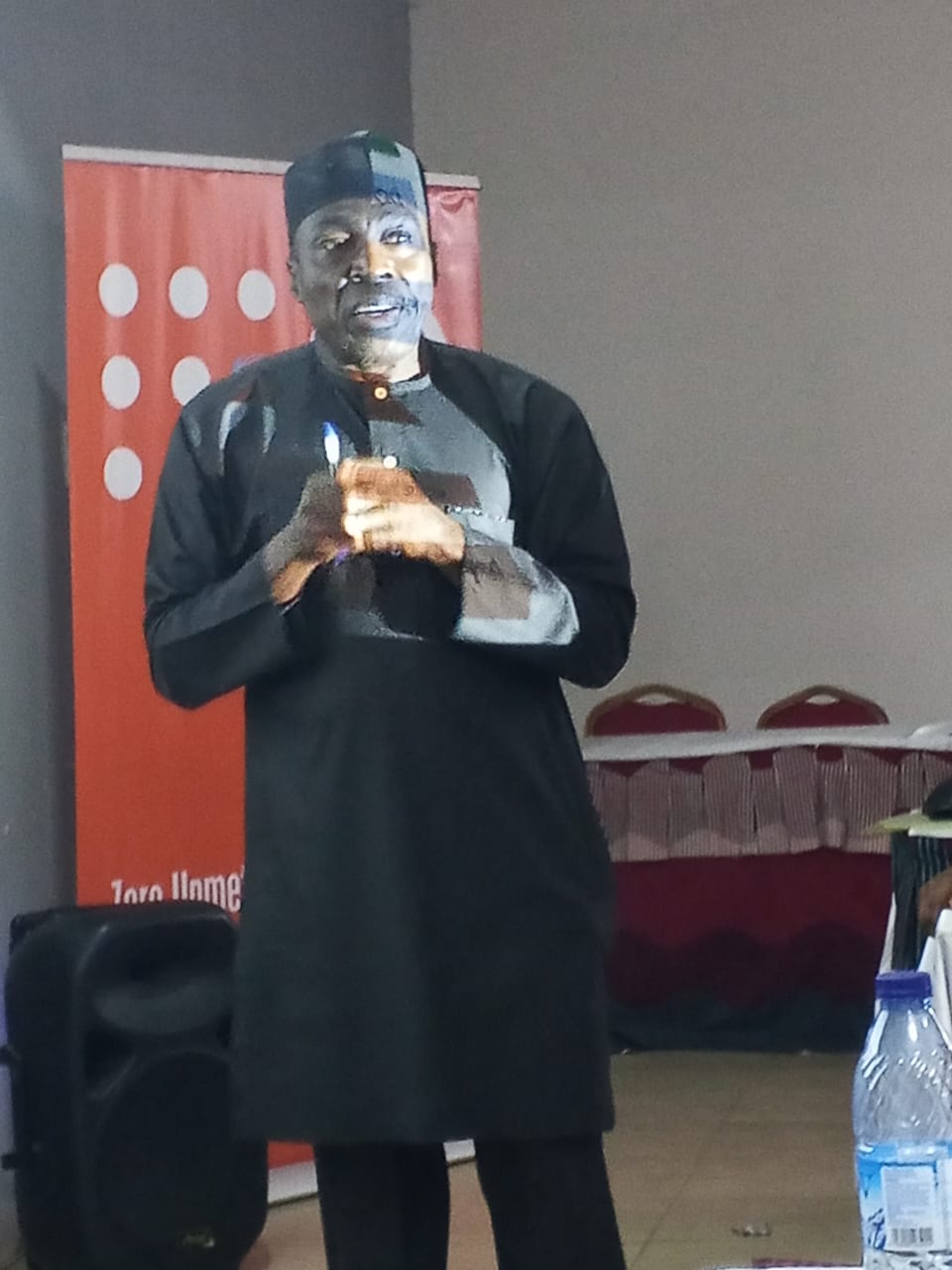
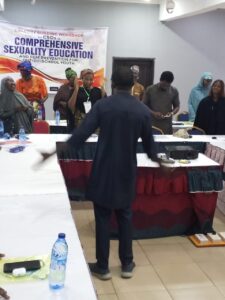
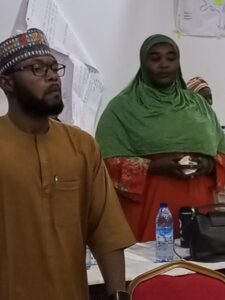
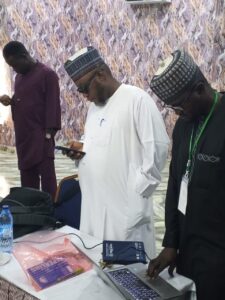
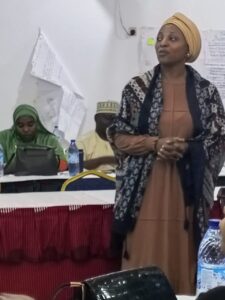
Speaking at day 3 of the ongoing capacity building workshop for civil society organizations on UNFPA’s Ninth Country Programme, the Head of UNFPA Kaduna Sub-Office, Dr Audu Alayande, disclosed that the organisation relies largely on donor agencies and private sector contributions to fund its interventions across the country.
According to him, UNFPA has over the years secured the confidence of donors due to its accountability, transparency, and results-driven approach.
“UNFPA has built trust as a reliable intermediary over the years, which is why donors continue to channel resources through us,” Dr Alayande said.
He explained that UNFPA does not directly implement programmes, but works through government agencies, civil society organisations (CSOs), and other implementing partners, a strategy aimed at strengthening national ownership and sustainability.
Dr Alayande revealed that under the current six-year country programme, UNFPA projected to mobilize 112.6 million dollars, but due to global economic pressures and other external factors, only about 30 million dollars has been realized so far.
He noted that the funding gap has significantly constrained programme implementation, particularly in critical areas such as sexual and reproductive health, gender-based violence prevention, adolescent and youth development, and population data systems
The UNFPA official outlined several challenges affecting the success of the programme, including:
Low budgetary allocation to health and education sectors
Nigeria’s rising debt burden, which limits fiscal space for social investment
Huge and diverse demand for services across communities
Structural and systemic barriers that restrict access to information and service delivery
“These challenges require strategic thinking and difficult choices in how limited resources are deployed,” he added.
On the way forward, Dr Alayande stressed the need for prioritising high-impact strategies and adopting context-specific approaches that reflect Nigeria’s diverse social, cultural, and regional realities.
“We must focus on interventions that deliver the greatest impact, while tailoring our approaches to the specific needs of communities,” he said.
Earlier in the programme, Dr Olusegun Medupin delivered a presentation on the importance of community engagement and community dialogue, emphasizing that sustainable development outcomes depend on active community ownership and participation.
Similarly, Hadiza Umar took participants through a session on inclusive teaching aids, highlighting practical tools and methods to ensure that learning and information delivery are accessible to all, including marginalized and vulnerable groups.