

By Abbas Ibrahim
The Nigeria Labour Congress (NLC) has commenced preparations for a fresh struggle for a new national minimum wage ahead of the 2027 review, citing the rising cost of living and declining purchasing power of Nigerian workers.
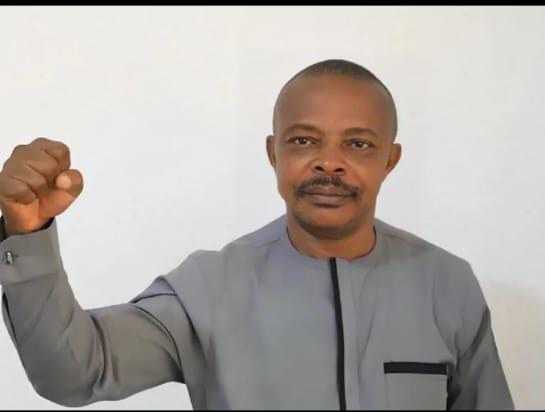
NLC President, Comrade Joe Ajaero, made the position known at the 7th Quadrennial Delegates’ Conference of the Amalgamated Union of Public Corporations, Civil Service Technical and Recreational Services Employees (AUPCTRE) held in Kano on 23 September 2026 at Amani Event Center.
Ajaero argued that the next wage review should go beyond fulfilling a statutory requirement and reflect the economic realities confronting workers and their families.
The position comes at a time when the cost of food, transportation, housing, fuel and other essential commodities continues to place pressure on household incomes.
For organised labour, the central issue is therefore not simply the determination of a new minimum wage figure, but whether workers’ earnings can provide a decent standard of living.
The distinction between a statutory minimum wage and a living wage is becoming increasingly important.
While the minimum wage establishes the legal floor for workers’ pay, the living wage debate focuses on whether earnings are sufficient to meet basic necessities and maintain a reasonable standard of living.
Ajaero’s position at the AUCTRE Kano conference therefore provides an opportunity for government, employers, labour and other stakeholders to examine the broader relationship between wages and the actual cost of living.
The NLC also called for payment of outstanding Peculiar Allowance and Wage Award owed to some workers, maintaining that negotiated benefits are entitlements arising from agreements with organised labour and should be honoured.
Another key demand is a robust consequential adjustment whenever a new minimum wage is established, so that salary structures are adjusted appropriately and workers earning above the minimum wage are not disadvantage
The Kano conference also highlighted challenges beyond salaries, including casualisation of labour, privatisation of public services and economic policies affecting workers’ welfare.
These issues demonstrate that improving workers’ living standards requires more than increasing wages. Employment security, affordable housing, social protection, healthcare, transportation and access to essential services all influence the real value of workers’ incomes.
The 23 September AUPCTRE conference consequently provided an important platform for organised labour to renew the conversation about decent work and workers’ dignity.
The success of the next wage review will require the support and participation of all relevant stakeholders.
Government has a responsibility to honour agreements and create an economic environment where decent wages can be sustained. Employers also have a role in ensuring fair remuneration and productive workplaces.
Organised labour, on its part, must continue to negotiate responsibly while defending the interests of workers.
Economists, civil society organisations and other policy stakeholders can contribute research and evidence on inflation, productivity, household expenditure and the affordability of proposed wage adjustments.
The NLC’s message from Kano is therefore not only a call to government but an invitation to stakeholders to begin preparing early for a meaningful 2027 wage review.
As Nigeria approaches another general election, the Congress has also urged workers to remain united and examine the records and policies of political actors concerning workers’ welfare rather than allowing ethnic, religious or political differences to divide them.
The question raised at the Kano conference is fundamental, Can a worker’s income adequately meet the basic cost of living?
The answer will depend not only on the figure eventually negotiated as the new minimum wage, but on the collective commitment of government, employers, labour and other stakeholders to building an economy where work provides dignity and a decent livelihood.
The NLC has opened the conversation ahead of 2027. Sustaining it through constructive engagement and broad stakeholder support will be essential to achieving meaningful progress for Nigerian workers.
Abbas Ibrahim can be reached @ abbasibrahim664@gmail.com