

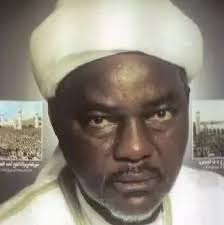
TRIBUTE THE LEGENDARY LEADERSHIP AND ISLAMIC LEGACY OF KHALIFA SHEIKH ISYAKU RABIU
By Ahmad Muhammad Sani Gwarzo , Anipr.
Sheikh Is’haq Rabiu was appointed as the Leader of the Tijjaniyya Movement in Nigeria and neighbouring countries in nineteen ninety four, a position that elevated him to the revered title of KHALIFA.
His appointment signified an era of renewed spiritual discipline, unity and advancement within the Tijjaniyya order.
As a spiritual guide, he strengthened the structure of the movement through wisdom, humility and an unwavering commitment to Islamic principles.
He became recognised for his deep knowledge of Islamic jurisprudence, Sufism and spiritual mentorship.
Sheikh Isyaku Rabiu served as the President of the Sheikh Muhammadu Rabiu Islamic Foundation International.
Under his leadership, the foundation expanded its humanitarian activities across Nigeria and beyond.
The organisation promoted Islamic propagation, social welfare and community development.
He championed educational programmes aimed at strengthening Islamic scholarship.
Sheikh Isyaku Rabiu also supervised the construction of Islamic schools and learning centres.
His devotion to Islamic education helped thousands of students acquire valuable knowledge.
He invested in the training of young scholars who later became respected teachers.
Through his efforts, many memorised the Holy Qur’an and mastered various Islamic sciences.
He sponsored Islamic competitions and Qur’anic recitation events.
These programmes encouraged excellence and discipline among learners.
The Khalifa ensured the availability of learning materials for schools in rural and urban areas.
He promoted the establishment of Tsangaya and Islamiyya schools for easy access to Islamic knowledge.
His vision extended to empowering widows, orphans and vulnerable families through the Foundation.
He initiated food distribution programmes during Ramadan and throughout the year.
He also provided clothing, shelter and basic necessities for disadvantaged communities.
His philanthropy was recognised across several West African countries.
Sheikh Isyaku Rabiu nurtured unity among different Islamic groups.
He promoted peaceful coexistence within the Muslim Ummah.
His guidance encouraged tolerance, compassion and fairness.
The Khalifa frequently delivered lectures emphasising the importance of sincerity in worship.
He encouraged Muslims to uphold moral values and good character.
He taught countless students the principles of cleanliness, discipline and humility.
His leadership strengthened the Tijjaniyya teachings of remembrance, devotion and spiritual purification.
He hosted gatherings for zikr (supplication) and spiritual counselling.
Many people found guidance through his calm and wise approach to issues.
The Khalifa contributed greatly to the spread of Tijjaniyya teachings in remote and urban areas.
He travelled extensively to meet followers and encourage Islamic growth.
He maintained strong relationships with scholars across Africa.
His partnership with international Islamic institutions enhanced religious education.
Through the Foundation, he supported the translation of Islamic texts into local languages.
Sheikh Isyaku Rabiu encouraged inter‑generational learning between elders and youth.
He sponsored youth empowerment initiatives rooted in Islamic values.
He emphasised the importance of balancing religious knowledge and positive community service.
His legacy inspired young Muslims to seek education and practise righteousness.
He also encouraged women to participate in Islamic learning programmes.
The Foundation organised seminars for women on family life and Islamic ethics.
His leadership style was inclusive and respected diverse cultural backgrounds.
He maintained discipline and transparency in all organisational affairs.
The Khalifa always prioritised the welfare of his community.
He promoted the construction of mosques in many Nigerian communities.
He renovated old structures to provide safe and clean worship environments.
He ensured that Imams were trained to deliver correct Islamic teachings.
His contributions strengthened Friday congregational prayers across various towns.
Sheikh Isyaku Rabiu also placed great importance on charity as part of faith.
He personally funded countless humanitarian missions.
The Foundation offered medical support to vulnerable families.
It organised free screening exercises across communities.
Sheikh Isyaku Rabiu collaborated with health organisations to promote public health.
He encouraged the Muslim community to embrace hygiene and cleanliness.
He also supported clean water initiatives for rural communities.
His humanitarian vision extended to peaceful conflict resolution.
He mediated disputes and promoted unity within families.
He advocated for justice and fairness in leadership.
He advised political leaders on good governance guided by Islamic teachings.
The Khalifa encouraged the wealthy to support the needy.
He reminded Muslims that charity strengthens the heart and purifies wealth.
His sermons often emphasised patience, gratitude and trust in Allah.
He uplifted communities through continuous Islamic enlightenment.
Sheikh Isyaku Rabiu empowered scholars to become transformative leaders.
He encouraged research and documentation of Islamic history.
He supported the preservation of Tijjaniyya heritage through writings and lectures.
His leadership was characterised by deep spiritual insight.
He inspired thousands to embrace sincerity in worship.
His teachings encouraged Muslims to constantly seek knowledge.
He supported Qur’anic memorisation camps for children and adults.
He promoted inter‑faith respect and peaceful dialogue.
His influence extended beyond Nigeria into neighbouring African countries.
He was recognised internationally for his contributions to Islamic knowledge.
His leadership brought honour to his community and the Tijjaniyya movement.
The Foundation built research centres for Islamic scholars.
He ensured that books and learning resources were made available to students.
He funded academic scholarships for Islamic studies abroad.
He encouraged Muslims to maintain their cultural identity with dignity.
His guidance strengthened moral values in society.
The Khalifa played a major role in preserving Islamic unity.
He performed humanitarian projects without seeking personal recognition.
His actions inspired love and respect among followers.
He emphasised justice in all personal and community dealings.
His compassion touched the lives of thousands.
The Khalifa’s spiritual sessions attracted people from various regions.
His home served as a centre of learning and guidance.
He encouraged discipline through constant remembrance of Allah.
He mentored many scholars who continued his legacy.
His leadership expanded Islamic awareness across generations.
Through dedication and service, he earned admiration from scholars and leaders.
His passion for Islamic propagation elevated the Tijjaniyya movement.
He revived traditional principles of Islamic brotherhood.
The Khalifa’s wisdom helped resolve numerous social and spiritual challenges.
His life remains an example of humility and devotion.
His teachings continue to inspire communities across West Africa.
His legacy endures through the Sheikh Muhammadu Rabiu Islamic Foundation International.
His contributions to Islamic scholarship remain invaluable.
His leadership continues to influence spiritual development in Nigeria.
Sheikh Isyaku Rabiu is remembered as a symbol of knowledge, charity and unity.
His life stands as a beacon of faith and service.
His contributions strengthened the foundation of Islamic propagation.
His memory remains alive in the hearts of scholars and followers.
His impact will continue to guide future generations.
The Khalifa’s dedication to Islam represents a shining chapter in Nigerian Islamic history.
His life story stands as a testament to exceptional success rooted in unwavering faith, discipline and dedication.
His achievements in Islamic scholarship elevated him among the greatest leaders of his generation.
Through commitment to the Tijjaniyya movement, he succeeded in uniting followers across Nigeria and neighbouring countries.
His success in Islamic propagation strengthened the spiritual identity of countless communities.
His leadership brought transformative growth to Islamic education at local, national and international levels.
He successfully nurtured institutions that continue to empower future scholars.
His humanitarian achievements positioned him as a symbol of generosity and compassion.
He succeeded in touching the lives of people regardless of tribe, status, or background.
His foundation became a successful bridge between faith and community development.
His success continues to inspire generations on the path of sincerity, knowledge and service.