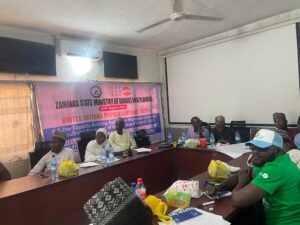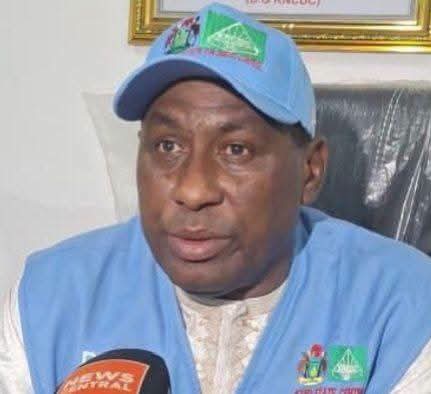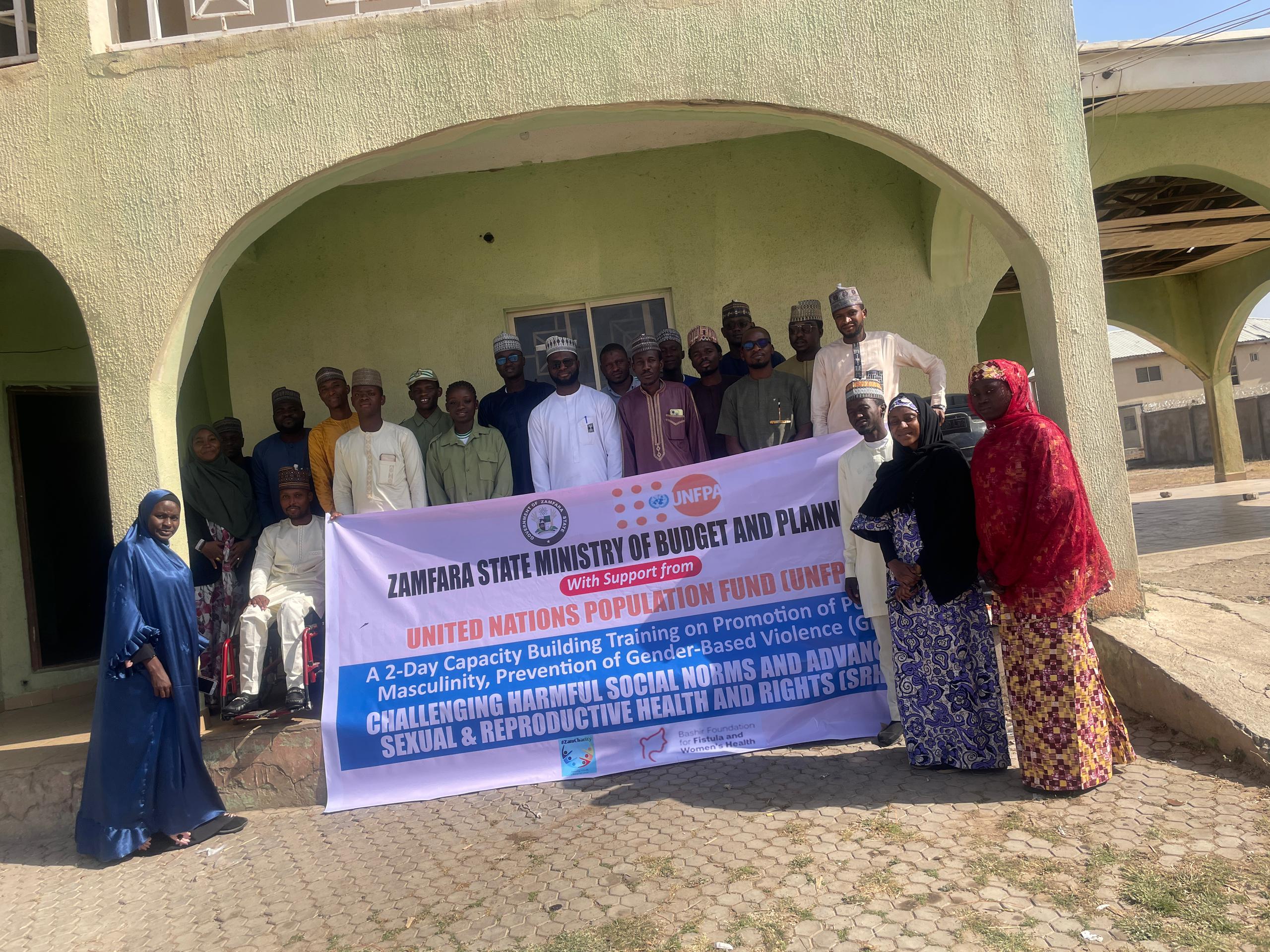
A two-day step-down training in Zamfara State brought together youth activists and representatives of Community-Based Organizations (CBOs) with a shared purpose: to promote positive masculinity, prevent gender-based violence (GBV), challenge harmful social norms, and advance Sexual and Reproductive Health and Rights (SRHR).
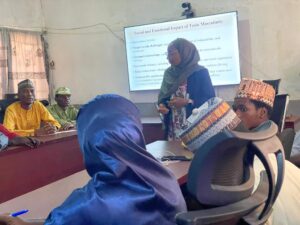

The training attracted a diverse group of participants drawn from youth-led platforms and community structures across the state. In attendance were members of the Youth Participatory Platform, Persons With Disabilities (PWDs), National Youth Service Corps (NYSC) members, the Youth Association of Nigeria, and several grassroots CBOs. This diversity enriched discussions, fostered inclusion, and strengthened collective resolve toward building a more gender-equitable Zamfara State.
Facilitators adopted participatory and youth-friendly methods throughout the two days, creating a safe space for open dialogue, group work, experience sharing, and reflection. Early sessions focused on positive masculinity, encouraging participants to critically examine traditional ideas of manhood often associated with dominance, emotional suppression, and control. Through guided discussions, participants came to understand masculinity as a social construct that can be reshaped to emphasize empathy, respect, accountability, non-violence, and shared responsibility in homes and communities.
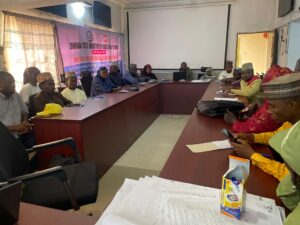
Key sessions addressed harmful practices such as child marriage and female genital mutilation (FGM), which remain prevalent in many communities. Facilitators unpacked how these practices are sustained by patriarchy, unequal power relations, and deeply rooted cultural expectations. Participants reflected on the serious health, social, and human rights consequences for women and girls, while exploring the critical role youth and community actors can play in shifting attitudes and promoting gender-equitable norms.
The training also examined the link between gender, power, and violence. Discussions on toxic masculinity and patriarchy enabled participants to analyze how rigid gender roles contribute to sexual and gender-based violence, stigma, and silence around abuse. Participants acknowledged that such norms harm not only women and girls, but also men and boys, by limiting emotional expression and healthy relationships. Together, they explored ways to redefine masculinity to promote dignity, equality, and mutual respect.
Strengthening understanding of SRHR was another core component of the programme. Facilitators covered essential topics including bodily autonomy, consent, access to accurate sexual and reproductive health information, and youth-friendly services. Participants were equipped with knowledge and advocacy skills to counter misinformation, support informed decision-making, and promote SRHR awareness among young people in Zamfara State.
Sessions on GBV prevention emphasized accountability, peer education, and youth-led activism. Participants discussed practical strategies for community mobilisation, survivor support, and engaging men and boys as allies through positive peer influence and leadership. Real-life scenarios were used to ground discussions and encourage practical application of learning.
At the close of the training, facilitators issued strong calls to action. Participants were encouraged to challenge harmful norms in their communities, promote positive masculinity, advocate for GBV prevention and accountability, and advance SRHR education. Participants pledged to serve as change agents by conducting step-down trainings, leading community dialogues, and strengthening collaboration among youth groups and CBOs across Zamfara State, laying the groundwork for sustainable social change.