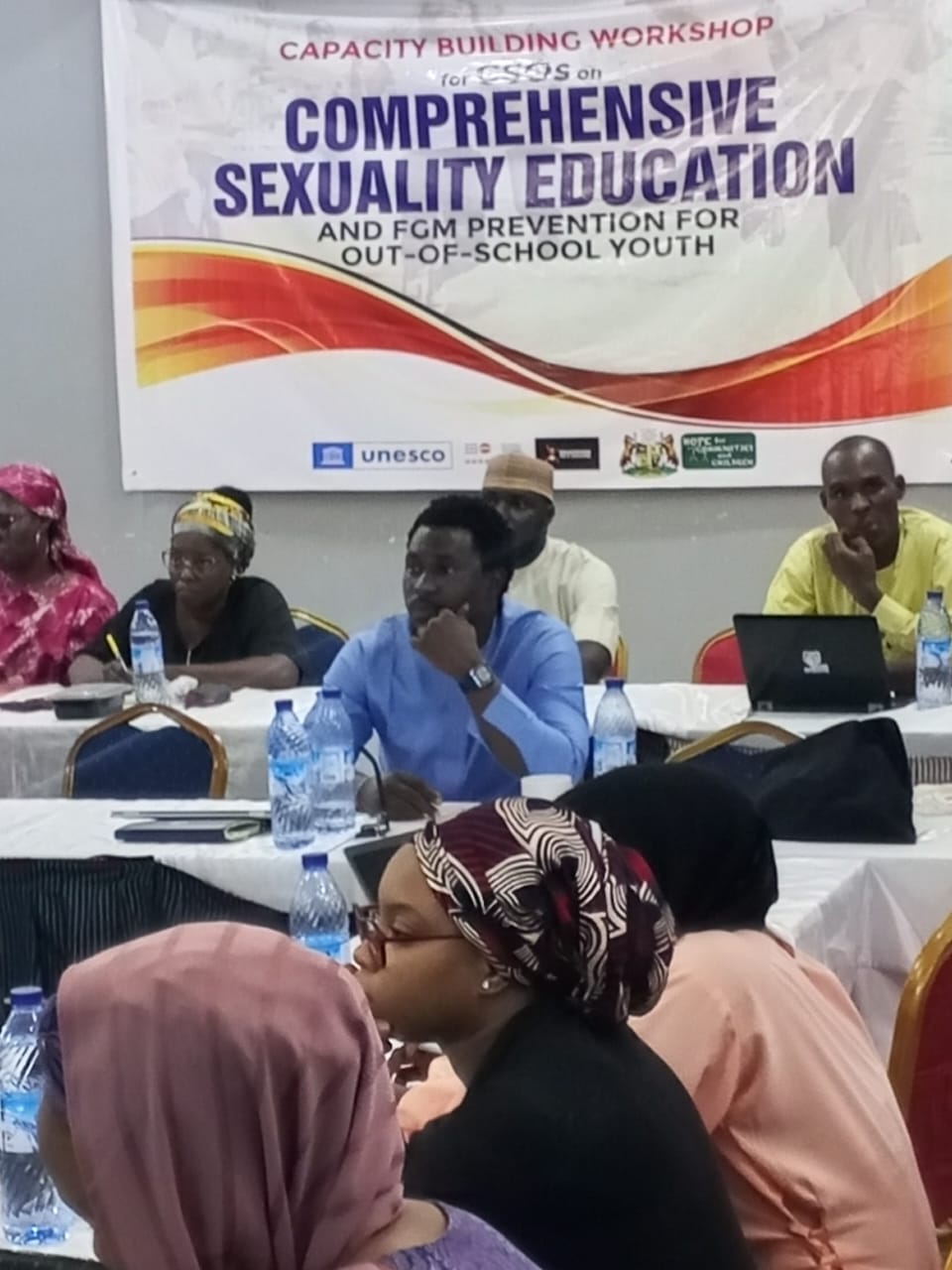

The United Nations Population Fund (UNFPA) has concluded a four-day capacity building workshop for Civil Society Organizations (CSOs) on Comprehensive Sexuality Education (CSE) and the prevention of Female Genital Mutilation (FGM), held at Triumphant Hotel, Kaduna.
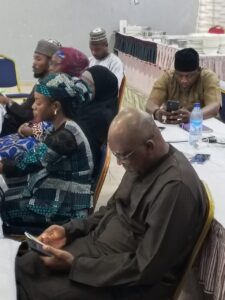
The workshop ended on a high note as participants pledged to step down the training in their respective communities to ensure wider impact and the achievement of desired results.
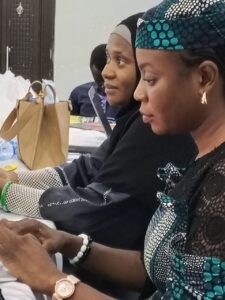
CSO representatives from Kaduna, Kano, and Jigawa States converged for the intensive training, which was designed to strengthen their capacity to engage youths and communities on critical social issues related to sexual and reproductive health, rights, and the elimination of harmful practices.
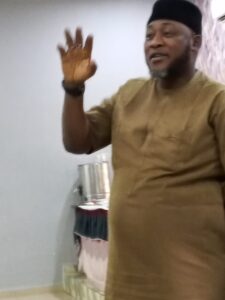
As part of the training outcomes, participants were grouped according to states to develop practical action plans that will be cascaded at the grassroots level, with technical guidance and support from UNFPA to ensure effective implementation.
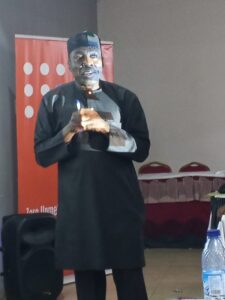
In a presentation on UNFPA’s 9th Country Programme, the Head of UNFPA Kaduna Sub-Office, Dr. Audu Alayande, explained that the organization operates as a trusted intermediary, sourcing funds from donor agencies to implement programmes through government institutions and civil society partners. He noted that global economic and geopolitical circumstances had led to a significant funding shortfall, with expected resources dropping from 112 million dollars to about 30 million dollars. Despite the challenge, Dr. Alayande reaffirmed UNFPA’s commitment to mobilizing resources and sustaining its mandate in Nigeria.
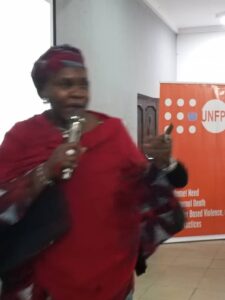
Also speaking, Hajiya Bahijja Bello Garko reiterated UNFPA’s dedication to working closely with communities using appropriate and culturally sensitive approaches to eliminate harmful practices such as FGM. She emphasized that lasting success depends on the collective efforts and active participation of all stakeholders.
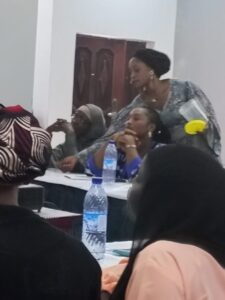
At the closing session, Hadiza Umar facilitated a practical session on the steps involved in recruiting and managing peer educators, while Dr. Olusegun Medupin guided participants on effective fund sourcing strategies and proper report writing to meet donor and institutional standards.
Participants, including Zubaida from Kano State, Amina from Jigawa State, and Justice from Kaduna State, described the workshop as impactful, noting that the knowledge and skills acquired would significantly improve their advocacy, community engagement, and programme implementation efforts.
The workshop forms part of UNFPA’s ongoing efforts to strengthen civil society participation in promoting comprehensive sexuality education and accelerating the abandonment of harmful practices across Northern Nigeria.