By Comrade Abbas Ibrahim
I had wanted to write this piece long before now. Not because I was constrained by any law — section 39 of the Nigerian Constitution guarantees my right to free expression — but because I felt the time had to be right. Now, having retired on November 1, 2025, after a fulfilling career as a News Editor with Radio Kano — a cherished public institution that will turn 80 next year — I find it timely to reflect on the principles that should guide our public service.
Top public servants occupy positions of trust and responsibility. Their actions directly affect the welfare of citizens, and by extension, the image of government itself. When they perform well, they deserve recognition and praise. But when they betray public trust, they must equally face accountability. Blame for failure and praise for merit are both essential to reinforcing discipline, transparency, and the rule of law — the cardinal principles of democracy.
As Ambassador Abdullahi Adamu Bakoji, a retired security officer and Country Director of IHRC-RFT, aptly noted in one of his essays:
“Public service is a sacred trust. Those who serve diligently must be celebrated, while those who fail to uphold that trust must face appropriate consequences. That is the only way to strengthen accountability and rebuild confidence in leadership.”
Indeed, celebrating integrity and condemning misconduct are the twin engines that restore citizens’ confidence in public institutions. The old saying, “Soja come, soja go, but barracks remain”, should remind every public servant that history endures — and so does their legacy.
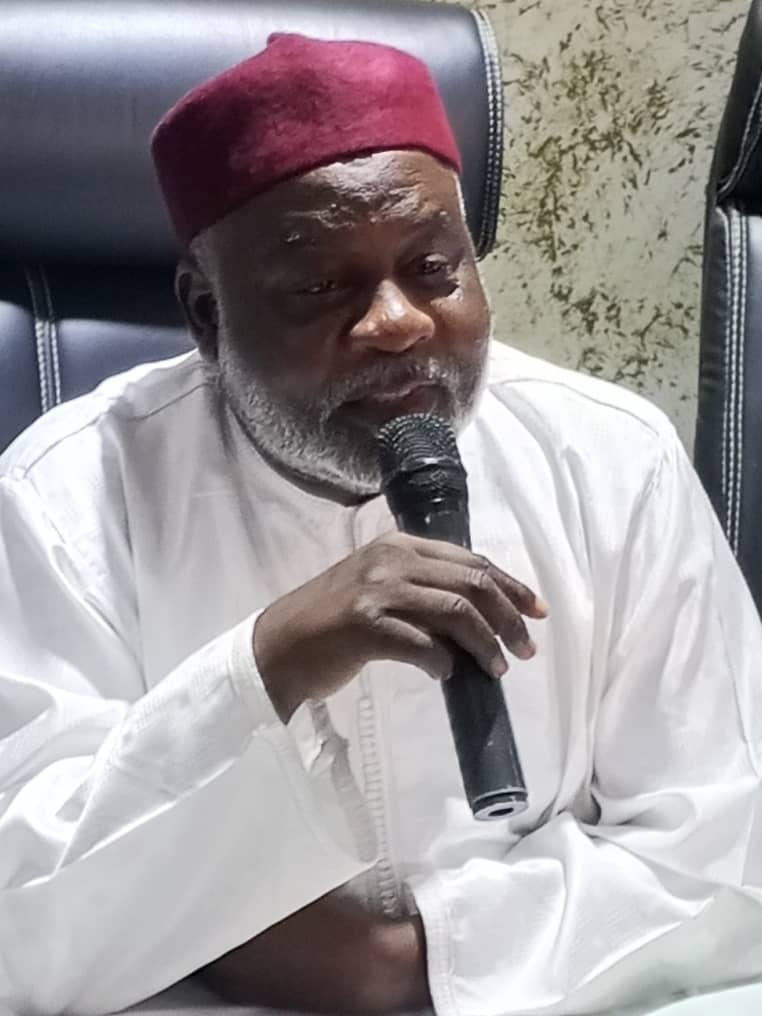
One public servant who exemplifies discipline, punctuality, and fairness is Alhaji Abdullahi Musa, the Head of the Kano State Civil Service. His reputation for efficiency dates back to his tenure at the Due Process Bureau, where he transformed the agency into a model of transparency and innovation.
I recall discussing his work with a colleague, then the Public Relations Officer, Sunusi Abdullahi Kofar Na’Isa. Many people fondly referred to him as “the unbendable steel.” True to that description, Alhaji Musa has maintained a reputation for firmness, professionalism, and unwavering commitment to due process.
I had personal encounters that confirmed these traits. On one occasion, he scheduled an appointment with me for 8 a.m. I arrived by 7:30, only to find that he was already at his desk — fully engrossed in work. When I was ushered in at exactly 8 a.m., he greeted me warmly and, without wasting time, said, “Yes, Abbas, what can I do for you? Time is precious.” In less than ten minutes, we were done. I left his office wondering how much more effective our public service would be if every official worked with such discipline.
On another occasion, a top political figure sent an emissary seeking a favour that clearly violated civil service rules. I happened to overhear the discussion. Alhaji Musa, respectful yet firm, turned down the request — making it clear that due process must prevail. I was deeply impressed by that act of integrity.
Some people describe him as “too strict” or “too formal,” but those are the very qualities that uphold the dignity of public institutions. I remember once hurrying to a promotion exam and forgetting my cap in the car. Seeing me, Alhaji Musa — who was already on ground supervising — said, “Abbas, you can’t write the exam like this. If you wear kaftan, your dressing must be complete.” I rushed back for my cap and returned on time. The message was clear: professionalism begins with personal discipline.
There was also a case where allegations of misconduct were raised against a senior civil servant. Many feared the worst. But after calmly reviewing the facts, Alhaji Musa advised: “Go and sort out the grey areas that triggered the suspicion. As civil servants, it’s always important to protect our names and that has of the institution.” His wisdom and restraint diffused the tension — a mark of true leadership.
After over three decades in journalism and close interaction with the civil service, I can boldly say that public servants like Alhaji Abdullahi Musa deserve to be celebrated. The principle remains simple: “If you can’t help, don’t hurt.”
No one is perfect — only Almighty Allah is. But those who strive to serve with honesty, discipline, and integrity deserve both recognition and respect.
Comrade Abbas Ibrahim
Activist and Advocate of Women and Children’s Rights, writes from Kano.