


By. Ahmad Muhammad Sani Gwarzo , Anipr.
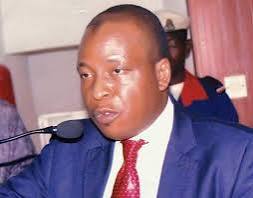
The story of Professor Sani Lawan Malumfashi did not end with public leadership challenges or courtroom appearances. Instead, a new dimension began to take shape—one shaped by personal testimonies, community reflections, and the enduring memory of his contributions as a Nigerian scholar. Across Kano and beyond, people speak of a man whose life work extends far deeper than public controversies.
To many who know him closely, Professor Malumfashi represents a portrait of calm composure and quiet strength. His presence in academic institutions was always defined by humility rather than authority, and by a sense of responsibility rather than personal ambition. Those who encountered him over the years often describe him as a gentleman with a disciplined mind and a peaceful spirit.
Throughout his professional life, long before public debates arose, he had built a reputation for sincerity and honesty. Students recall his integrity as one of his strongest attributes. They speak of exams that were marked without bias, promotions earned strictly on merit, and academic standards upheld with unwavering consistency.
Among his colleagues, his name often appeared in conversations about dedication to the intellectual growth of northern Nigeria. He became known not only for the knowledge he imparted but for the uprightness that guided his daily life. Many admired his lifestyle, which reflected moderation, contentment, and a deep sense of moral accountability.
In community interactions, Professor Malumfashi consistently demonstrated a gentle and approachable manner. Residents of Malumfashi and Kano described him as someone who listens, respects, and relates with humility. He participated in community events, educational programs and developmental engagements with a sincerity that endeared him to many.
For decades, he maintained a lifestyle that reflected prudence. Neighbors often noted that he lived simply, avoiding the extravagance sometimes associated with high-profile academics or public officials. His straight forwardness, combined with a calm personality, strengthened the impression of a man who valued integrity over material wealth.
As public debates intensified around him, a growing number of supporters stepped forward to share their experiences. They insisted that the professor they knew was far removed from the image circulating in political narratives. They emphasized his long-standing honesty, depicting him as a man who taught justice before he ever administered it in public office.
Civic groups, students, community leaders and elders from his hometown began voicing their perspectives publicly. Many argued that his academic legacy alone should have earned him recognition long before challenges emerged. Supporters viewed him as a Nigerian citizen who served with dedication, who contributed to educational progress and who lived a principled life devoted to public goods.
Within these conversations, some even expressed the belief that institutions such as anti-corruption agencies might one day acknowledge his dedication to accountability. Their argument was not based on legal determinations but on personal testimonies about his character, fairness and commitment to ethical conduct. To these supporters, he embodied values that national institutions often encourage citizens to uphold.
Another aspect frequently highlighted in public discussions is his calm and respectful relationship with political leaders, particularly his closeness to His Excellency, Governor Abba Kabir Yusuf, FNISE. Observers noted that the professor maintained a professional and cordial rapport with the governor, built on mutual respect and shared commitment to public service.
Supporters argue that his relationship with the governor reflects his loyalty, humility and non-confrontational nature. They maintain that his ability to interact peacefully with people across different political, religious and social backgrounds demonstrates a rare gift for fostering harmony. His peaceful nature, they say, has been one of his strongest trademarks throughout his TV life.
Among those who admire him, there is a recurring sentiment that a man of his disposition and academic contribution should be regarded proudly as a true Nigerian citizen—one who dedicated his life to knowledge, service and the upliftment of society. Whether in teaching or administration, they believe he consistently maintained respect for the rule of law and the dignity of others.
Even as legal matters continue before the courts, supporters insist on separating judicial processes from what they describe as the professor’s long-standing personal virtues. They encourage the public to see the human being behind the headlines—the teacher, mentor, intellectual, community member and father figure to thousands of students and admirers.
Many community groups have extended prayers and goodwill messages, calling for fairness, justice and patience. They argue that public debate should not overshadow decades of positive contributions that shaped young minds and strengthened academic foundations in the region.
Among students, memories of his lectures remain vivid. Some recall moments when he encouraged honesty, urging them to pursue excellence without shortcuts. Others remember his warnings about the consequences of unethical behavior, words that now echo loudly in the midst of public conversations. These memories reinforce the image of a man who lived by the values he taught.
The professor’s supporters emphasize that admirable individuals sometimes face difficult moments in public life, but such moments should not erase the legacy they have built over many years. They believe that his story—complex as it is—should be viewed from a broad lens that acknowledges both his challenges and his contributions.
In different districts of Kano State, people continue to speak about his peaceful temperament. They recall how he mediated conflicts, advised younger colleagues on patience and encouraged students to embrace education as a tool for personal liberation. His words often carried a reflective, philosophical tone that resonated with many.
As narratives continue to unfold, one central theme persists: Professor Malumfashi remains respected by those who interacted with him closely. Their voices represent a crucial chapter of this story, one that sheds light not on politics or institutions, but on human relationships, characterand lived experience.
This feature does not attempt to predetermine legal outcomes. Rather, it captures the breadth of reflections expressed by citizens, students, and neighbors—people who believe the professor’s character has been consistent over many years.
They speak of a man whose life journey involves service, scholarship and humility. A man who inspired trust in classrooms, maintained calm in public spaces , and valued fairness in relationships. A man they view not through the lens of controversy but through the eyes of community memory.
His supporters believe that history will remember him not only for the challenges he faced but for the dignity he carried through them. They argue that true legacy is built on decades, not moments and that his decades were filled with contribution, knowledge and responsible citizenship.
The unfolding story of Professor Sani Lawan Malumfashi is therefore not a simple tale of rise and adversity. It is a layered narrative about a Nigerian scholar navigating both honor and challenge. It is a reflection of how public perception is shaped by lived experience, not just events.
As Kano and Nigeria continue watching developments in the courtroom and in public discourse, the professor’s personal supporters remain steadfast in their message: that he is a man of peace, integrity, and academic excellence who deserves fairness, understanding, and recognition for the values he embodied.
His relationship with Governor Abba Kabir Yusuf remains an important point of reference for these supporters—an example of professional respect, intellectual kinshipg and shared commitment to governance. They see it as evidence of the professor’s role in supporting peaceful political engagement in the state.
Through every chapter of his life, the professor’s identity as a proudly Nigerian citizen remains central. His supporters argue that his patriotism is visible not in slogans, but in the lives he has shaped, the knowledge he has passed on, and the quiet dignity he carries.
In the evolving story of his journey, the human element remains crucial. It is a story filled with community loyalty, personal testimony, and reflections of those who believe in him. It is a story about how character endures beyond controversy, and how society remembers those who contributed to its growth.
As the narrative continues to expand, one truth persists in the minds of his supporters: that Professor Sani Lawan Malumfashi’s life will ultimately be defined by his character, not by the storms he encounters. His legacy, they argue, will rest on the foundation of integrity he displayed over many years.
And so, the story moves forward—not merely as a legal or political account, but as a portrait of a man whose identity is woven into the academic, social, and communal fabric of Kano and Nigeria at large. Whatever history records, his supporters insist that the heart of the professor’s story is one of peace, service, and upright citizenship.


