


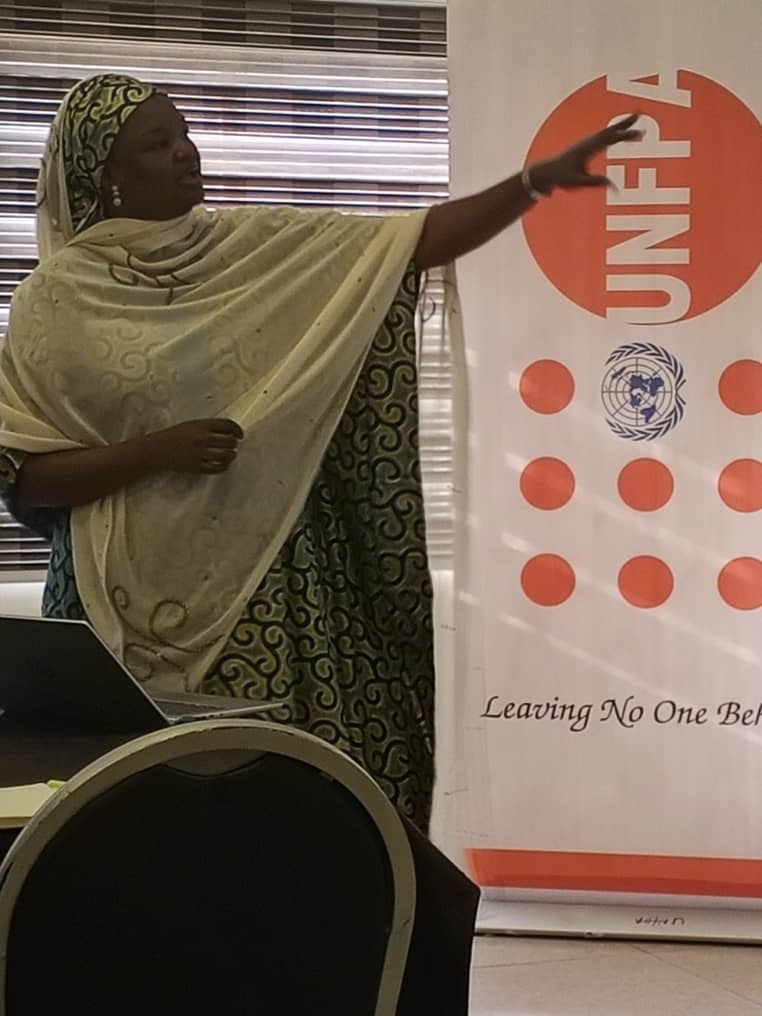

Hajiya Karima Bungudu
An estimated 68 million Nigerian women and girls have undergone Female Genital Mutilation (FGM), representing 22% of the global figure of 230 million, according to data presented at the ongoing UNFPA workshop on advancing positive masculinities in Kano.
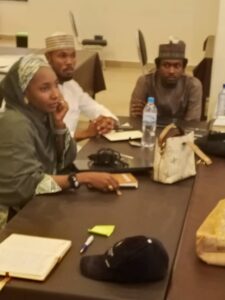
Participants listen to Presentation
Speaking on Day 3 of the workshop at Tahir Guest Palace on Wednesday, a gender advocate, Hajiya Karima Bungudu, said the statistics, sourced from the 2024 National Demographic Health Survey (NDHS), highlight the alarming scale of the practice in Nigeria.
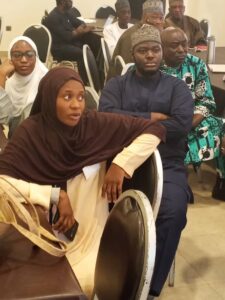
Participants pay keen attention
She disclosed that 31 countries worldwide still practice FGM, placing four million women and girls at risk annually. Countries with the highest prevalence include Egypt, Sudan, Kenya, Guinea and Nigeria, according to the NHAS data.

Participants pay attention to alarming Data
Hajiya Bungudu raised concern over the age at which Nigerian girls are subjected to the harmful practice, noting that 86% of victims are mutilated before the age of five, while 96% undergo the procedure before they turn one.

Participants paying attention to Bungudu
She listed the complications associated with FGM to include intense pain, severe bleeding, shock, acute urine retention, irregular bleeding, vaginal discharge, and several other long-term health risks.
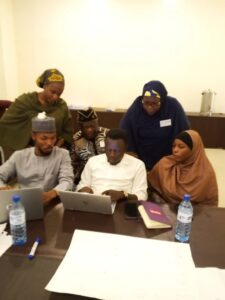
Participants performing group work day 2
Despite advancements in education across many communities, Hajiya Bungudu lamented that FGM persists, underscoring the powerful influence of cultural beliefs and traditional norms.
As part of the solution, she called for scaled-up awareness campaigns using both conventional and social media platforms. She also urged the training of health personnel to better identify, manage and help prevent new cases of FGM.
The UNFPA workshop continues to bring together stakeholders from across the northern region to promote positive masculinities and curb harmful practices affecting women and girls.


