
Justice Lawi Making Presentation
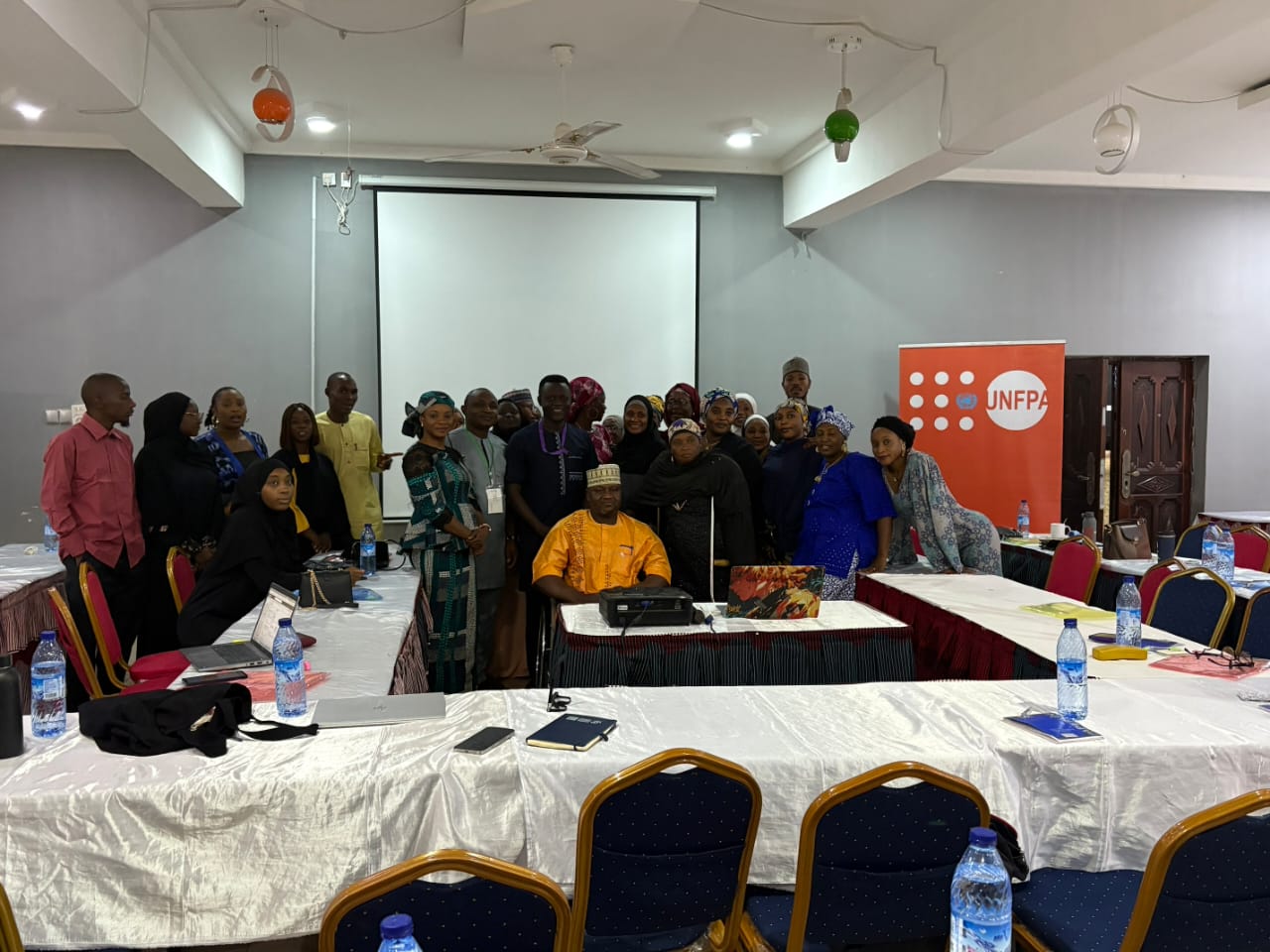
Civil society organisations (CSOs) in Kaduna State have intensified efforts to combat gender-based violence and harmful traditional practices through a step-down training on Advancing Positive Masculinities, held on December 18, 2025, at the Triumphant Hotel, Kaduna.
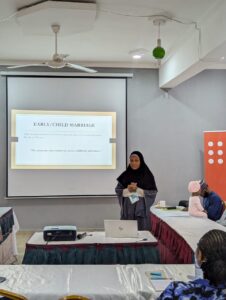

Ubaida Abdulnasir0 Presenting a Paper 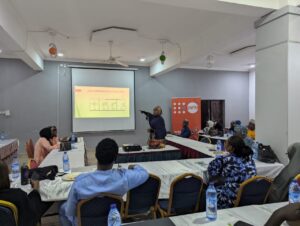
Kaothar Nureen Yusuf Making Presentation
The training, organised through a collaboration of the Anti-Sexual Violence Lead Support Initiative (ASVIOL), Centre for Study and Resolution of Domestic Violence (CERSDOV), Smart Aid Initiative, and the Centre for Girls Education (CGE), was designed to cascade knowledge gained from a recent UNFPA Training of Trainers (ToT) held in Kano to grassroots actors in Kaduna.
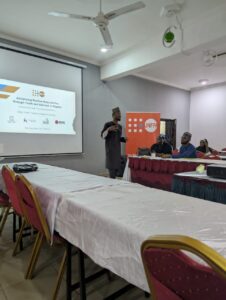
Sadiq Ba,aba Making Presentation
Participants drawn from various CSOs were equipped with practical tools to translate technical knowledge into community-based advocacy aimed at ending gender-based violence and other harmful practices.
Delivering the opening remarks, Sadiq Ba’aba of the Smart Aid Initiative stressed the importance of moving beyond theory to action, noting that CSOs play a critical role in reshaping social norms at the community level.
A key session on positive masculinity was facilitated by Lawi Justice of ASVIOL, who challenged traditional notions of manhood rooted in dominance and violence. He emphasized that true masculinity is defined by responsibility, respect, and accountability, adding that men and boys must be central allies in efforts to end violence against women and girls.
On female genital mutilation (FGM), Kaothar Nureen Yusuf of CERSDOV presented data showing that although Kaduna State records a relatively lower prevalence of about 4–5 per cent, the practice continues to inflict lifelong physical and psychological harm on survivors. She noted that globally, over 230 million women and girls live with the consequences of FGM, while in Nigeria, one in five women aged 15–49 has undergone the procedure.
The session on child marriage was led by Ubaida Abdul-Nasir of the Centre for Girls Education, who highlighted the social, cultural, and systemic drivers sustaining early marriage. She called for stronger community engagement and policy enforcement to protect girls’ rights to education and health.
Participants agreed that evidence consistently shows that engaging men and boys as partners significantly reduces the acceptance of harmful practices such as FGM and child marriage.
At the close of the training, the newly formed Kaduna coalition resolved to move beyond dialogue to direct community action. Plans are underway to mobilize young people and work with traditional and religious leaders to challenge rigid gender norms and establish protective social frameworks across targeted communities in Kaduna State and beyond.
The organisers expressed optimism that sustained collaboration among CSOs would accelerate progress toward safer, more inclusive communities where the rights and dignity of women and girls are fully protected.