


Kano State Government Is Developing Media, Communication Policy To Boost Journalists’ Participation In Governance – Sunusi Bature
By Abdullahi Yusuf
The Kano State Government says it is developing a Media and Communications Policy to strengthen the participation of journalists in governance.
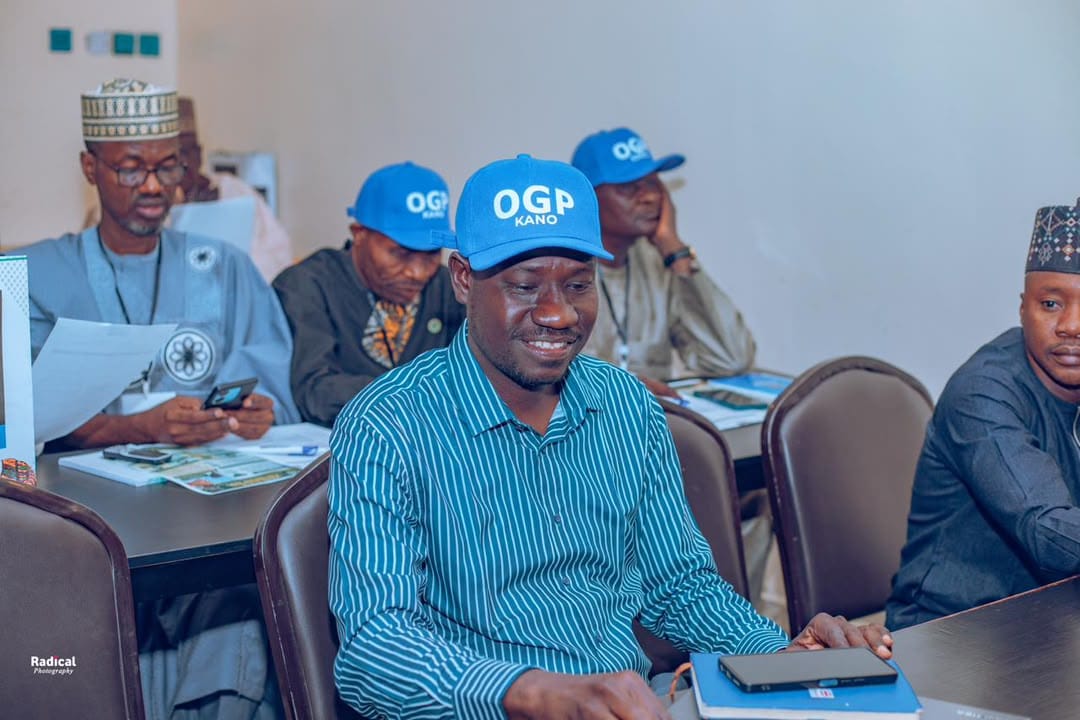
The state Commissioner of Information and Internal Affairs, Sanusi Bature Dawakin Tofa, disclosed this at a one-day sensitisation workshop on Open Government Partnership (OGP), organised by the Kano State OGP Secretariat for media practitioners held in Dutse, Jigawa State, on Saturday.
Represented by the Director of Information in the ministry,Malam Aminu Yassar, the Commissioner explained that the proposed policy would promote media freedom, protect journalists, improve access to public information and encourage greater citizens’ engagement in government activities.
He also hinted that government agencies had been directed to establish functional websites and social media platforms to ensure wider public access to official information.
He said the process of domesticating the Freedom of Information Act in Kano State had also reached an advanced stage, with the committee responsible expected to be inaugurated in the coming weeks.
According to him, the Ministry of Information would also establish a legal services department for the first time to facilitate access to justice for media practitioners and support the principles of open governance.
In her remarks, the Acting Chairperson of the Kano State Public Complaints and Anti-Corruption Commission (PCACC), who is also a member of the OGP State Steering Committee, Hafsat Kutama, described the media as a vital partner in the fight against corruption and the promotion of open governance.
Kutama stressed that transparency, public participation and accountability could only be achieved when citizens had access to accurate information and were adequately informed about government activities.
“The media is the bridge between the government’s commitments and the citizens’ expectations. You are the mirror that reflects the reality of governance to the people,” she said.
She, therefore, urged journalists to move beyond sensational reporting and embrace investigative and data-driven journalism capable of exposing governance gaps, holding public officials accountable and highlighting government interventions.
On his part, the Commissioner for Public Procurement and Project Monitoring, Nura Ma’aji, represented by the Permanent Secretary, Abdulrazaq Haruna, urged journalists to take a more active role in monitoring government budgets, procurement processes and project implementation.
Ma’aji noted that media practitioners required adequate knowledge and professional skills to scrutinise public expenditure, track constituency projects and assess the implementation of government commitments.
“The media is not a bystander in this partnership. You are a critical stakeholder. You are the bridge between government and the governed. You are the watchdog that holds power to account,” he said.
The commissioner reaffirmed the state government’s commitment to ensuring timely access to information, publishing budget and procurement data, promoting beneficial ownership transparency and creating an enabling environment for responsible journalism.
The workshop featured presentations on the Open Government Partnership and the role of the media in translating OGP commitments into public-interest news stories.
Participants also discussed the importance of technology, effective monitoring and evaluation, citizens’ participation and collaboration among government institutions, civil society organisations and the media in improving public service delivery.
They were encouraged to adopt professional journalism practices that amplify citizens’ voices, particularly those of underserved communities, while promoting transparency, public trust and inclusive development.
The Open Government Partnership is a global multi-stakeholder initiative that brings governments and civil society organisations together to promote transparency, accountability, citizens’ participation and the use of technology to improve governance.


